
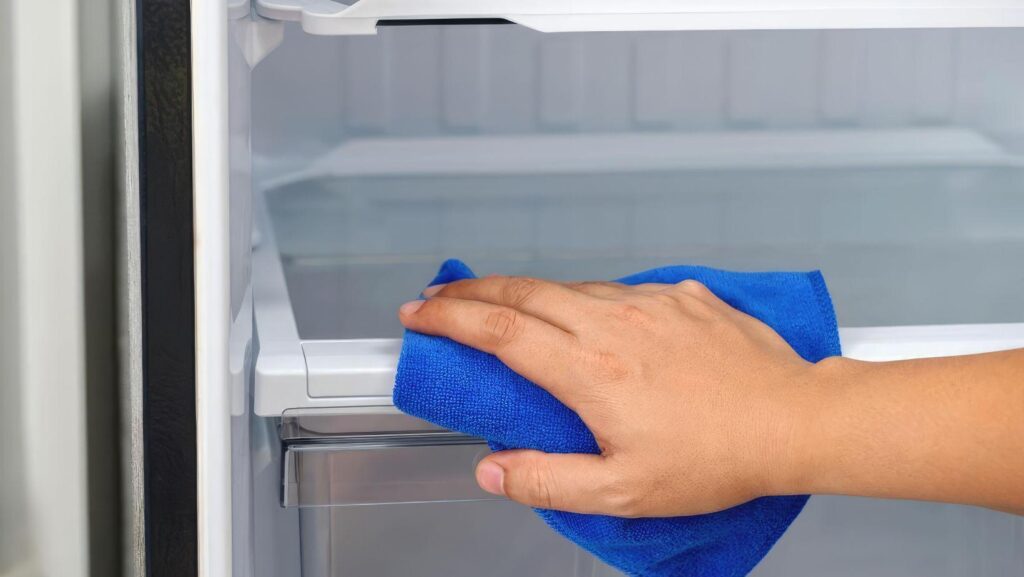
A refrigerator is one of the few household appliances that never truly gets a break. It operates around the clock to keep food fresh, preserve ingredients, and maintain safe storage temperatures. Because it runs continuously, even small maintenance issues can gradually affect its efficiency long before a noticeable breakdown occurs.
Many refrigerator failures don’t happen overnight. Instead, they develop slowly as dust accumulates, seals wear out, airflow becomes restricted, or components work harder than they should. The good news is that most of these issues can be minimized through consistent maintenance and by recognizing early warning signs before they develop into major repairs.
Whether your refrigerator is brand new or has been running reliably for years, adopting a few simple care habits can improve cooling performance, lower energy consumption, and help extend the life of the appliance.
Key Takeaways
- Regular maintenance helps refrigerators operate more efficiently.
- Good airflow inside and around the appliance is essential for consistent cooling.
- Small performance changes often signal developing problems.
- Simple monthly maintenance can prevent many unexpected breakdowns.
- Professional diagnosis is recommended when routine maintenance doesn’t solve recurring issues.
Habit 1- Keep Interior Airflow Clear
Cold air must circulate freely throughout the refrigerator to maintain consistent temperatures. Blocking interior vents with large food containers or tightly packed groceries creates warm spots, forcing the cooling system to work longer to compensate.
When organizing food, leave small gaps between items and avoid placing containers directly against air vents. Better airflow not only improves cooling but also reduces strain on the compressor.
Habit 2- Clean the Condenser Coils Before They Become a Problem
Condenser coils release heat from the refrigeration system. Over time, they collect dust, lint, and pet hair that reduce their ability to dissipate heat efficiently.
Dirty coils force the refrigerator to run longer cooling cycles, increasing both electricity usage and wear on internal components. Cleaning the coils every six to twelve months—more often in homes with pets—helps maintain efficient operation and prolongs appliance life.
Habit 3- Pay Attention to Your Door Seals
Door gaskets create an airtight seal that keeps cold air inside the refrigerator. As they age, they may become loose, cracked, or dirty, allowing warm air to enter continuously.
Inspect the seals regularly for visible damage and wipe them clean to remove food residue that may prevent a proper seal. Replacing worn gaskets early is often far less expensive than dealing with cooling problems caused by air leaks.
Habit 4- Use the Right Temperature Settings
Many homeowners unknowingly adjust refrigerator temperatures colder than necessary, believing this keeps food fresher. In reality, excessively low settings make the compressor work harder while offering little additional benefit.
Maintaining the manufacturer’s recommended temperature helps preserve food safely while allowing the refrigerator to operate efficiently.
Habit 5- Don’t Ignore Small Changes in Performance
Small changes are often the refrigerator’s earliest warning signs that something isn’t working as intended. Addressing them promptly usually prevents more expensive repairs later.
Ryan, an experienced technician with Appliance EMT, explained that homeowners frequently overlook gradual changes because the refrigerator is still cooling. However, longer compressor cycles, inconsistent temperatures, increased frost, or new operating noises often indicate developing problems that deserve attention before they become more serious.
Some of the most common warning signs include-
- Food spoiling faster than usual
- Uneven cooling between shelves
- Water collecting beneath the refrigerator
- Frost accumulating where it normally doesn’t
- Buzzing, clicking, or rattling sounds that weren’t present before
Habit 6- Avoid Habits That Overwork the Cooling System
Daily habits can have a surprising impact on refrigerator performance over time.
Allow hot meals to cool before placing them inside the refrigerator, as large amounts of heat force the appliance to work much harder. Try not to leave the refrigerator door open while deciding what to eat, especially during warmer months when more warm air enters the cabinet each time it’s opened.
It’s also helpful to avoid overfilling the refrigerator. While a reasonably full refrigerator retains cold temperatures well, excessive crowding restricts airflow and reduces cooling efficiency.
Habit 7- Know When Maintenance Isn’t Enough
Routine cleaning and basic inspections solve many common refrigerator issues, but some problems require professional diagnosis.
If your refrigerator continues to struggle with uneven temperatures after you’ve checked the temperature settings, cleaned the condenser coils, inspected the door seals, and ensured proper airflow, the issue may involve an evaporator fan, temperature sensor, electronic control board, or another internal component. Homeowners looking for the best refrigerator repair in Buford should consider technicians with experience diagnosing the specific refrigerator brand and the symptoms it is showing, since many cooling issues require specialized testing equipment to identify accurately.
Continuing to operate a refrigerator with unresolved cooling problems can increase wear on important components and potentially lead to more extensive repairs.
A Simple Monthly Refrigerator Maintenance Checklist
Consistent maintenance is far more effective than waiting until problems become obvious. Setting aside a few minutes each month can help identify developing issues before they affect cooling performance.
- Check refrigerator and freezer temperatures.
- Inspect door seals for cracks or gaps.
- Listen for new or unusual operating sounds.
- Make sure interior air vents remain unobstructed.
- Look for moisture, frost buildup, or small water leaks.
- Clean condenser coils according to the manufacturer’s recommendations.
These simple inspections help keep the refrigerator operating efficiently while reducing the likelihood of unexpected breakdowns.
Final Thoughts
Keeping a refrigerator running efficiently doesn’t require complicated maintenance or specialized knowledge. Most long-term performance depends on consistent habits, such as maintaining proper airflow, cleaning important components, inspecting door seals, and responding promptly to small warning signs.
As Ryan explained, many major refrigerator repairs begin with issues that seem minor at first but gradually place additional strain on the cooling system. By combining routine maintenance with timely professional diagnosis when necessary, homeowners can improve refrigerator efficiency, reduce unexpected repairs, and help their appliance continue performing reliably for many years.
FAQs
How often should refrigerator condenser coils be cleaned?
Most manufacturers recommend cleaning condenser coils every six to twelve months. Homes with pets or dusty environments may require more frequent cleaning.
What are the first signs that a refrigerator is developing cooling problems?
Uneven temperatures, longer cooling cycles, unusual noises, frost buildup, water leaks, and food spoiling sooner than expected are common early warning signs.
Can overloading a refrigerator affect cooling performance?
Yes. Overcrowding restricts airflow, making it harder for cold air to circulate evenly throughout the refrigerator.
Why is my refrigerator running almost constantly?
Dirty condenser coils, warm room temperatures, damaged door seals, blocked airflow, or failing cooling components can all cause longer operating cycles.
When should I call a professional instead of troubleshooting myself?
If routine maintenance doesn’t resolve cooling problems or you notice recurring temperature fluctuations, electrical issues, or compressor-related symptoms, professional diagnosis is the safest and most effective option.